How to Actually Fit More Storage Into a Small Space
Most small rooms run out of floor space long before they run out of storage potential.
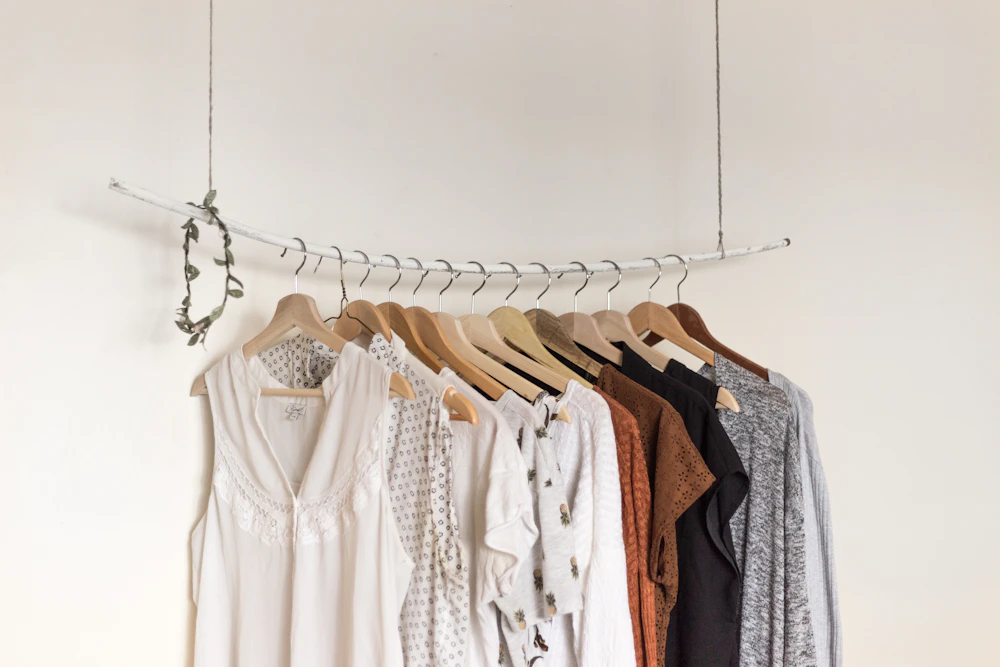
Small-space storage problems usually aren't really about having too much stuff — they're about using the wrong third of the room. Floor space is the first thing to run out; wall space and dead zones almost never do. Here's how to find the storage you're not using yet, and how to avoid the single most common ordering mistake.
Vertical space is almost always the space you're not using
Most small rooms run out of floor space long before they run out of wall space. Tall, narrow storage consistently holds more per square foot than wide, low pieces — see our compact wardrobe guide and small bedroom storage guide for pieces built around that principle. If you're choosing between a wide dresser and a tall, narrow one with the same volume, the tall one almost always leaves you more usable floor.
Measure the doorway, not just the room
A wardrobe or storage bench that technically fits the wall can still be impossible to get through a narrow hallway, a tight stairwell turn, or a standard interior door. Check delivery-path dimensions — doorway width, hallway turns, stairwell clearance — before ordering, not just the footprint where the piece will end up.
Under-used zones are still storage
Under the sink, under the bed, behind the door — these are the first places to add organization before buying anything that takes up open floor space. Our under-sink storage guide and beds-with-storage guide cover this directly, and both are usually cheaper per square foot of storage gained than any freestanding furniture piece.
Tackle the room with the least storage potential first
Bathrooms and entryways usually have the least built-in storage relative to how much gets dropped there daily, which makes them the rooms where a small addition — a storage bench, an under-sink organizer — makes the most visible difference. Start there before working on a bedroom or living room that already has a closet or shelving to work with.
Frequently asked questions
Should I buy tall storage or wide storage for a small room?
Tall and narrow, in almost every case. It uses wall height that's otherwise wasted and leaves more open floor space than a wide, low piece holding the same volume of stuff.
What's the most overlooked storage space in a small apartment?
Under the bed and under the sink. Both are functional, enclosed storage that most people leave empty simply because it's not at eye level — and both are usually the cheapest storage upgrade available before buying any new furniture.
How do I know if furniture will actually fit through my door?
Measure your narrowest doorway, hallway turn, and stairwell width, then compare against the product's boxed or diagonal dimensions (not just its final footprint) — most listings include a "ships in" box size specifically for this reason.